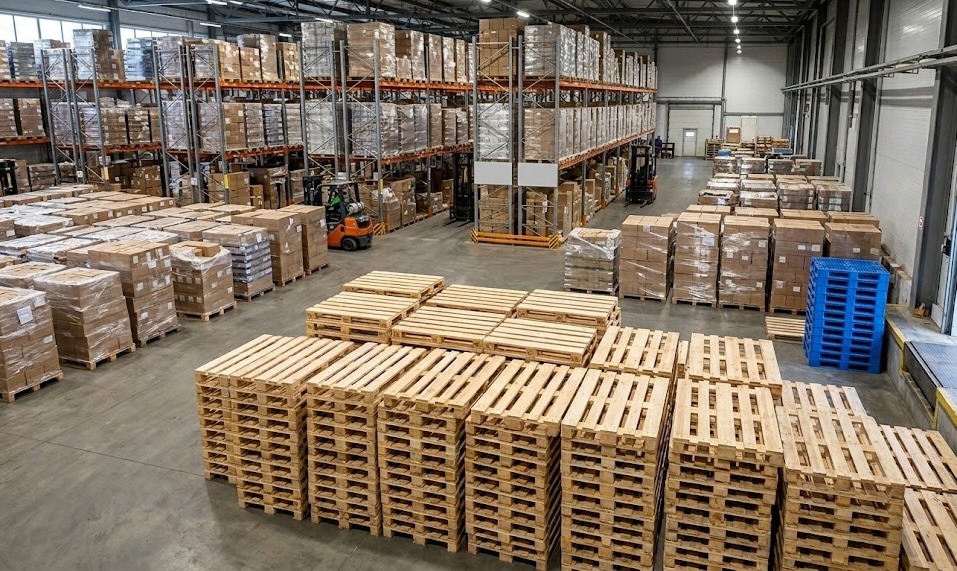
Pallet Grading Guide
Everything you need to know about used pallet grades. Learn what Grade A, B, and C mean, how inspection works, and which grade is right for your business.
Request a Specific Grade
Tell us which grade you need and we will prepare a custom quote. Not sure which grade? We will help you decide.
What Is Pallet Grading?
Pallet grading is the process of inspecting and categorizing used pallets based on their physical condition, structural integrity, and cosmetic appearance. Grading provides a standardized way for buyers and sellers to communicate about pallet quality without needing to inspect every individual unit. When you order Grade B used pallets from Raleigh EcoPallet, you know exactly what level of quality to expect.
While there is no single universal grading standard (different companies and regions may use slightly different terminology), the A/B/C grading system is the most widely recognized in the North American used pallet market. At Raleigh EcoPallet, we use strict, consistent grading criteria so you always receive the quality you expect. Every pallet we sell has been individually inspected and graded by our trained quality team.
The most important thing to understand about pallet grades is that all grades are structurally functional. Even Grade C pallets are safe to use for their rated applications. The difference between grades is primarily about cosmetic condition, the extent of repairs, and the level of wear. Choosing the right grade is about matching quality to your specific needs and budget — not about safety.
Grade A
Premium / Like NewGrade A used pallets are in excellent condition and closely resemble new pallets. They have been used only once or very few times and show minimal signs of wear. These pallets have no broken boards, no protruding nails, no staining, and no significant cosmetic damage. They are the highest quality used pallets available and are suitable for applications where appearance and structural integrity are paramount.
60-75% of new pallet cost
Limited availability — these move fast
Characteristics
- All boards intact with no cracks, splits, or breaks
- No protruding nails or fasteners
- Minimal discoloration or weathering
- No water damage, mold, or staining
- Full load capacity retained (static, dynamic, and racking)
- Stringers or blocks in excellent condition with no damage
- Clean appearance suitable for visible applications
- Deck boards are tight with no loose or missing boards
- No repairs visible — original construction intact
Recommended Use Cases
- Pharmaceutical and medical supply shipping
- Food and beverage storage (FDA-compliant facilities)
- Retail display pallets visible to customers
- Export shipments where appearance matters
- Automated handling systems requiring precise dimensions
- Clean room or controlled environment facilities
- High-value product storage and transport
Grade B
Standard / Good ConditionGrade B used pallets are the workhorse of the used pallet market and represent the best balance of quality and value. They show moderate signs of use but are fully functional and structurally sound. Minor cosmetic imperfections are acceptable at this grade, including light discoloration, minor scuffing, and small repaired areas. Grade B pallets may have had minor repairs such as board replacements, but all repairs meet structural standards.
40-55% of new pallet cost
Most widely available grade
Characteristics
- All boards intact — may have minor repairs (replaced boards)
- Slight discoloration or weathering acceptable
- Minor scuffing, scraping, or surface marks
- No broken or missing boards
- All nails and fasteners secure and flush
- Stringers may have minor notching from forklift use
- Full dynamic and static load capacity retained
- May have minor surface staining (no contamination)
- Repairs are structurally sound and professionally done
Recommended Use Cases
- General warehouse storage and shipping
- Manufacturing and industrial operations
- Distribution center use
- Domestic shipping (non-export)
- Construction material transport
- Agricultural products
- Bulk goods and raw materials
- Standard racking applications
Grade C
Economy / UtilityGrade C used pallets are the most economical option. They show significant signs of use and may have visible repairs, discoloration, and cosmetic damage. However, they remain structurally functional for many applications. Grade C pallets are ideal for one-way shipping, internal warehouse use, or any application where appearance is not a concern and the primary need is a functional pallet at the lowest possible cost.
20-35% of new pallet cost
Abundant supply
Characteristics
- Significant signs of use and wear
- May have multiple repaired or replaced boards
- Noticeable discoloration, weathering, or staining
- Minor cracks allowed if they do not affect structural integrity
- Stringers may have visible forklift damage (within limits)
- All boards must still be present and attached
- Static load capacity retained; dynamic and racking may be reduced
- May have some rough or splintered surfaces
- Functional but not cosmetically appealing
Recommended Use Cases
- One-way shipping (you do not need the pallet back)
- Internal warehouse use and organization
- Construction site material staging
- Landscaping and outdoor storage
- DIY projects and furniture making
- Temporary flooring or decking
- Firewood or biomass (end-of-life pallets)
- Low-value bulk goods transport
Grade Comparison Table
| Feature | Grade A | Grade B | Grade C |
|---|---|---|---|
| Overall Condition | Excellent / Like New | Good / Standard | Fair / Economy |
| Broken Boards | None | None (may have repairs) | None (multiple repairs okay) |
| Cosmetic Appearance | Clean, minimal wear | Moderate wear, minor marks | Heavy wear, staining |
| Repairs Visible | No | Minor repairs acceptable | Multiple repairs common |
| Structural Integrity | Full rated capacity | Full rated capacity | Static capacity retained |
| Protruding Nails | None | None | None (corrected) |
| Water/Mold Damage | None | None | Minor discoloration ok |
| Price vs New | 60-75% of new | 40-55% of new | 20-35% of new |
| Best For | Food, pharma, export | Warehousing, general use | One-way, internal use |
| Availability | Limited | Abundant | Abundant |
Alternative Grading Systems
Different suppliers may use different terminology. Here is how common alternative grading systems map to the A/B/C system we use at Raleigh EcoPallet.
Numeric Grading (1-2-3)
Premium quality, like new condition, no repairs
Standard quality, minor wear, may have repairs
Economy quality, significant wear, multiple repairs
Descriptive Grading
Top-tier recycled pallet, excellent condition
Standard recycled pallet, good working condition
Economy recycled pallet or combo (mixed lumber)
NWPCA Categories
Pallets rebuilt to specific dimensional and quality standards
Pallets with damaged components replaced
Pallets sold in current condition without repair
Our Inspection Process
Every used pallet that passes through Raleigh EcoPallet goes through our rigorous six-step inspection process before it receives a grade and enters our inventory for sale.
Visual Inspection
Every pallet is visually examined for obvious defects: broken boards, missing components, protruding nails, major cracks, rot, mold, contamination, and pest damage. Pallets with severe structural damage or contamination are immediately pulled for recycling rather than resale.
Structural Testing
Inspectors check the structural integrity of each pallet by testing board attachment (boards should not flex excessively or shift), stringer condition (no critical cracks through the stringer), and overall rigidity. Pallets are lifted at the center to test for excessive sag.
Dimensional Verification
Key dimensions are verified to ensure the pallet meets the stated size specification. For standard sizes like 48x40, there is an acceptable tolerance of plus or minus 1/4 inch. Pallets that are warped, twisted, or out of square beyond acceptable limits are downgraded or recycled.
Fastener Check
All nails, screws, and fasteners are checked to ensure they are secure and flush with the surface. Protruding nails are driven flush. Loose boards are re-fastened. Missing fasteners are replaced. Any pallet with fastener issues that cannot be corrected is downgraded.
Contamination Screening
Pallets are checked for any signs of contamination including chemical spills, food residue, unusual odors, mold, or pest infestation. Contaminated pallets are removed from the resale stream and directed to appropriate recycling or disposal. This step is particularly important for pallets destined for food or pharmaceutical applications.
Grade Assignment
Based on the results of all inspection steps, each pallet is assigned a grade (A, B, or C) and sorted into the appropriate inventory. The grade is marked on the pallet for easy identification. Pallets that do not meet even Grade C standards are directed to our recycling program.
Which Grade for Your Industry?
Food & Beverage
Grade A or Grade BFood safety regulations typically require pallets in good condition without contamination. Grade A is preferred for direct food contact applications. Grade B is acceptable for packaged goods in most cases.
Pharmaceutical
Grade APharmaceutical shipping often requires the highest grade for hygiene and compliance. Grade A used pallets from Raleigh EcoPallet meet the cleanliness standards at a fraction of new pallet cost.
Retail & E-Commerce
Grade BFor standard warehouse operations and distribution, Grade B provides the ideal balance of quality and cost. Many retailers will not accept lower than Grade B from suppliers.
Manufacturing
Grade B or Grade CManufacturing environments are typically less concerned with cosmetics. Grade B for standard operations, Grade C for internal use, material staging, and one-way outbound shipping.
Construction
Grade CConstruction sites need functional pallets for material staging, temporary platforms, and job site organization. Grade C is the most economical choice for these applications.
Agriculture
Grade B or Grade CAgricultural operations can use Grade B for produce shipping and Grade C for field staging, seed storage, and general farm use.
Automotive
Grade A or Grade BAutomotive supply chains often require consistent quality for automated handling systems. Grade A for parts that go directly to assembly lines, Grade B for general warehouse use.
Export / International
Grade AInternational shipments benefit from Grade A for both appearance and reliability. Ensure pallets are ISPM-15 heat treated for international compliance.
Common Pallet Defects Explained
Understanding common pallet defects helps you appreciate why proper grading matters and what our inspection process catches before pallets reach you.
Broken Deck Boards
HighCracked or split top boards caused by overloading, impact, or improper forklift handling. Compromises load support and can cause product damage. Rejected at Grade A, repairable for Grade B/C.
Protruding Nails
HighNails that have worked loose and project above the board surface. Creates injury risk and can damage products or shrink wrap. Corrected during inspection at all grades.
Stringer Cracks
Medium-HighCracks in the structural support boards running under the pallet. Minor cracks may be acceptable in lower grades; critical cracks that compromise load bearing mean recycling.
Warping/Twisting
MediumPallet no longer lies flat due to moisture damage, uneven drying, or storage conditions. Mild warping may be acceptable in Grade C; significant warping prevents racking use.
Mold/Mildew
MediumFungal growth caused by moisture exposure. Surface mold on Grade C pallets may be acceptable for outdoor use. Any mold contamination disqualifies pallets for food or pharmaceutical use.
Chemical Staining
HighDiscoloration from chemical spills or contamination. All pallets showing chemical contamination are removed from the resale stream during our contamination screening step.
Pallet Grading FAQ
Is there a universal pallet grading standard?
No, there is no single universal grading standard in the used pallet industry. Different companies and regions may use slightly different terminology (A/B/C, 1/2/3, Premium/Standard/Economy). At Raleigh EcoPallet, we use the A/B/C system with clearly published criteria so you always know what to expect. Our alternative grading systems section above shows how different systems map to each other.
Can a pallet be upgraded from Grade C to Grade B through repair?
Yes. A pallet that would otherwise be Grade C due to broken boards or loose nails can sometimes be repaired and upgraded to Grade B if the repair brings it within Grade B criteria. However, certain conditions (extensive weathering, deep staining, multiple major repairs) cannot be reversed, so not all Grade C pallets are candidates for upgrade.
How should I store different grades of pallets?
For best results, store pallets by grade in separate areas. Grade A pallets should be kept in a clean, dry, covered area to preserve their premium condition. Grade B pallets can be stored outdoors under cover. Grade C pallets are suitable for outdoor storage. Regardless of grade, keeping pallets off wet ground and away from direct moisture extends their life.
Do you mix grades in an order?
No. When you order a specific grade, your order is fulfilled entirely from that grade. We keep our inventory sorted by size and grade specifically so we can deliver consistent quality. If a particular grade is temporarily unavailable, we will inform you rather than substituting a different grade.
How often do you reject pallets during inspection?
Approximately 5% of pallets that enter our facility do not meet even Grade C standards and are directed to recycling instead of resale. These are pallets with critical structural damage, contamination, or other issues that cannot be economically repaired. This rejection rate is part of what ensures every pallet we sell meets our quality standards.
"We were concerned about quality when switching from new to used pallets. The grading system at Raleigh EcoPallet gave us confidence — we ordered Grade B and every single pallet matched the description. No protruding nails, no broken boards, exactly what was promised. The savings compared to new pallets were substantial."
Warehouse Supervisor
Chapel Hill Food Distribution Company
Still Not Sure Which Grade You Need?
Our team inspects thousands of used pallets every month. We know the grades inside and out and can recommend the perfect match for your application, budget, and industry requirements.
Order Your Preferred Grade
Tell us which grade you need and we will prepare a custom quote. Not sure? We will help you choose the right one for your application.